

Winemaking
White wines
Pressing: Upon arrival at the winery, the berries may be sorted, crushed, or destemmed. The grapes are then pressed with great care to preserve the fruit as much as possible and to avoid extracting unwanted vegetal elements. The goal is to obtain the maximum amount of juice with the least amount of pressure. To achieve this, most wineries are equipped with pneumatic presses, which allow gentle and controlled extraction.
Settling: After pressing, the must is placed in a tank and settled. This process usually lasts between 12 and 24 hours, depending on the type of harvest (manual or mechanical).
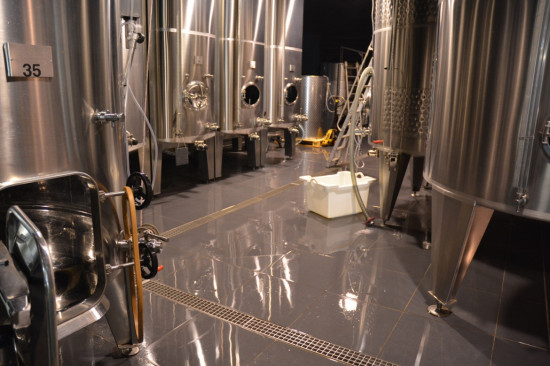
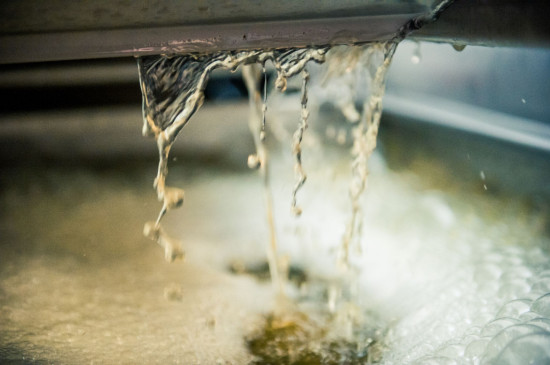
Alcoholic Fermentation: The clear must is placed in a tank where alcoholic fermentation occurs at a controlled temperature between 18°C and 22°C. Temperature control during fermentation has been one of the most significant advances of the past 30 years, allowing for longer fermentations and producing finer, more intense aromas.
Ageing: At the end of fermentation, the wine is left on its fine lees. The first cuvées are bottled in the spring after clarification and stabilisation. More complex wines may age for nearly a year before bottling.
RED WINES
Destemming: The harvest is either partially or fully destemmed.
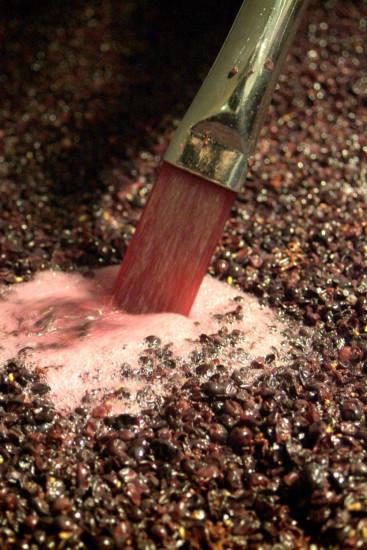
Maceration and Alcoholic Fermentation: The grapes are placed in tanks for pre-fermentation maceration, which extracts colour, tannins, and aromas. The length and management of maceration depend on the style of wine the winemaker wants to achieve. The longer the maceration, the more concentrated the wine.
Conversely, for lighter wines, maceration is shorter, and techniques to concentrate the must such as pumping over, punch-downs, or délestage, are used sparingly. Fermentation lasts between 7 and 10 days, with the juice maintained at 22–30°C.
Blending: After maceration, the wine is racked and the what is left is pressed to obtain the “press wine,” which is then blended with the “free-run wine”.
Malolactic Fermentation: The wine is then placed in tanks or barrels to complete alcoholic fermentation. Malolactic fermentation - in which malic acid is converted into lactic acid by lactic bacteria - may begin at this stage. This process reduces acidity and develops buttery or creamy aromas. It generally occurs in the spring or summer following the harvest.
Ageing: Once malolactic fermentation is complete, the wine is left to age. A few rackings may take place during the clarification process. Most bottling occurs in the autumn, although the first bottles can be released as early as the following spring.
ROSÉ WINES
Pressing or Maceration: Rosé wines are generally produced by direct pressing, and less commonly by saignée. The juice has only brief contact with the grape skins, resulting in very pale colours.
Fermentation is then conducted in the same way as for white wines, with temperatures carefully controlled between 18°C and 22°C. Rosés produced by direct pressing are fresh and elegant, with aromas of white fruits, while saignée rosés often develop a more pronounced, winey character.